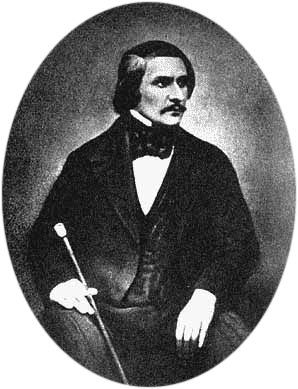
Nikolai Gogol (1809–1852) was a Ukrainian-born writer who became one of the foundational figures of Russian literature, and a key precursor to modern short fiction. Writing in the context of the Russian Empire, Gogol developed a distinctive literary voice that combines sharp social satire with the grotesque and the absurd, exposing the fragile boundary between the everyday and the uncanny. His work is deeply preoccupied with bureaucratic systems, social hierarchy, and the ways in which individuals become diminished or distorted within modern institutional life. Across texts such as The Overcoat and The Nose, Gogol transforms seemingly minor, even trivial incidents into profound meditations on identity, visibility, and human dignity. His characters are often marginal figures–clerks, outsiders, and social non-entities–through whom he stages a broader critique of imperial society and its mechanisms of exclusion. At the same time, his style destabilizes realist conventions, introducing moments of narrative rupture and surreal transformation that anticipate later developments in modernism and absurdist literature. Gogol’s legacy lies in this tension between the comic and the tragic, the realistic and the fantastical: a literary world in which social reality itself begins to warp, revealing the instability of meaning and the precariousness of human existence within it.